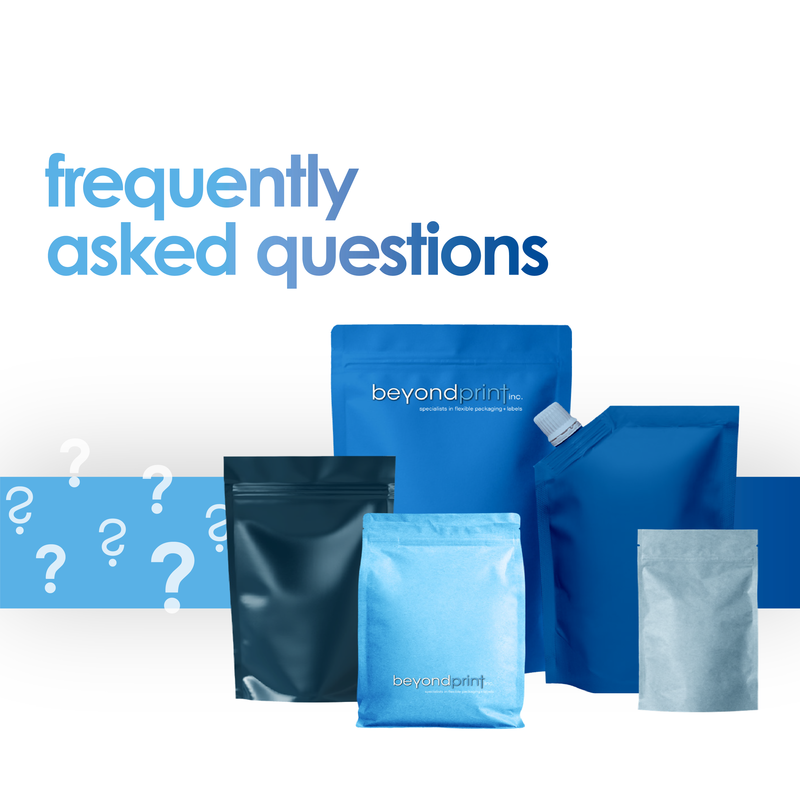
Flexible packaging has become one of the most widely used solutions across industries, but many businesses still have questions about how it works, what it costs, and how to choose the right materials.
Based in Omaha, Nebraska and serving brands nationwide, Beyond Print helps companies make smarter decisions about product protection, cost, and scalability when it comes to flexible packaging.
Article Takeaways
Flexible packaging is lightweight, customizable, and scalable, helping businesses reduce shipping, storage, and material costs while still protecting the product inside.
The right solution depends on your product, materials, barrier needs, production timeline, and sustainability goals. Working with Beyond Print helps ensure your packaging performs in real-world conditions.
What Is Flexible Packaging?
Flexible packaging uses materials such as films, foils, and laminates that can bend and adapt while still protecting the product inside.
Common formats include:
- Stand-up pouches
- Rollstock packaging
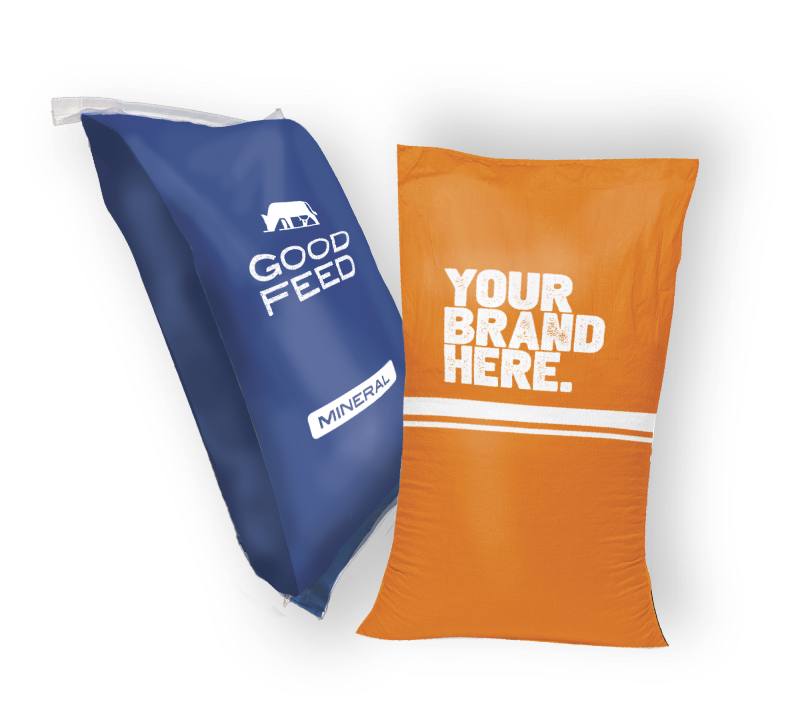
- Bags and wraps
These formats are widely used across food, beverage, retail, and pet product industries because they offer a strong balance of protection, cost efficiency, and branding flexibility. Explore flexible packaging solutions from Beyond Print.
How Much Does Flexible Packaging Cost?
Flexible packaging costs vary depending on several factors:
- Material type
- Order volume
- Printing complexity
- Packaging format
In most cases, flexible packaging offers a lower total cost compared to rigid packaging due to reduced material usage, lighter shipping weight, and more efficient storage.
What Materials Are Used?
Flexible packaging is typically made from layered materials designed for specific performance needs:
- Polyethylene for moisture resistance
- Polypropylene for strength and clarity
- Foil layers for barrier protection
- Laminates for durability and structure
These materials help protect products from moisture, oxygen, light, and contaminants, which is critical for maintaining quality and shelf life.
Is Flexible Packaging Durable?
Yes. Modern flexible packaging is engineered to withstand real-world conditions, including handling, shipping, and environmental exposure.
When properly designed, it offers strong barrier protection and long-term performance for a wide range of products.
Is Flexible Packaging Sustainable?
Flexible packaging is often considered a more sustainable option because it uses less material and reduces transportation weight.
Many brands are also exploring sustainable packaging options to further reduce environmental impact while maintaining performance.
When Should You Use Flexible Packaging?
Flexible packaging is a strong fit for:
- Food and snack products
- Coffee and beverage brands
- Pet food and treats
- Retail and e-commerce products
It is especially valuable when cost efficiency, scalability, and product protection are priorities. Learn more about how packaging decisions impact performance in our guide on choosing the right packaging.
Frequently Asked Questions About Flexible Packaging
What is flexible packaging used for?
Flexible packaging is used for food, beverages, pet products, and retail goods where protection, cost efficiency, and shelf appeal are important.
Is flexible packaging cheaper than rigid packaging?
In many cases, yes. It reduces material usage, shipping weight, and storage requirements.
Can flexible packaging protect food products?
Yes. Barrier materials protect against moisture, oxygen, and contaminants to maintain freshness.
Is flexible packaging customizable?
Yes. It offers a wide range of customization options for size, materials, and branding.
Build the Right Packaging Strategy
Beyond Print helps businesses choose flexible packaging solutions that align with product needs, operational goals, and long-term growth.