Choosing the right packaging plays a critical role in how your product performs, from shelf appeal and protection to shipping costs and storage efficiency.
Two of the most common options are flexible packaging and rigid packaging. While both serve important purposes, flexible packaging has become a preferred solution for many modern brands due to its versatility, cost efficiency, and performance in real-world environments.
Article Takeaways
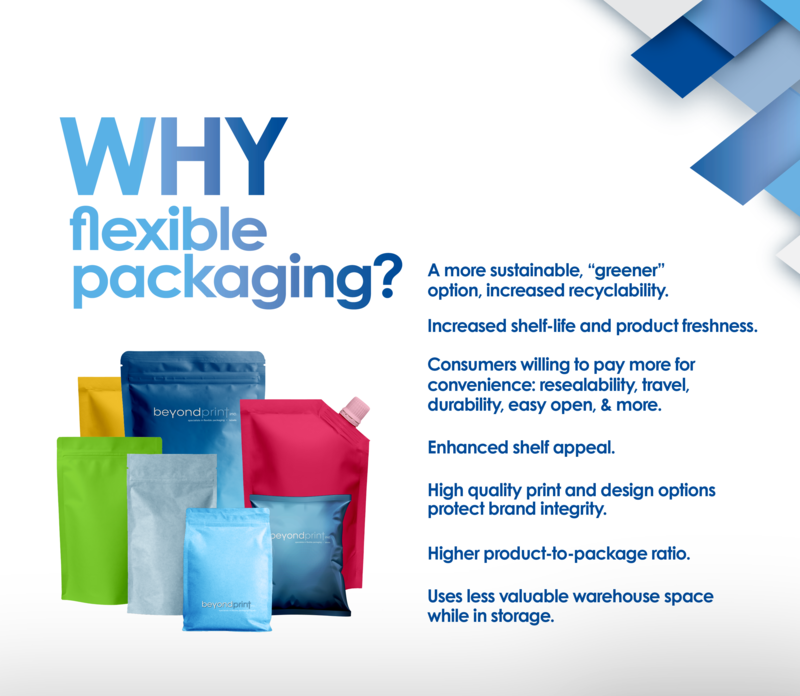
Flexible packaging is lightweight, cost-effective, and highly customizable, reducing shipping, storage, and material costs while still delivering strong barrier protection and durability.
Rigid packaging is better suited for products that require added structure or protection, making the right choice dependent on your product, environment, and goals.
What Is Flexible Packaging?
Flexible packaging refers to materials such as films, foils, and laminates that can easily change shape while still protecting the product inside.
Common examples of flexible packaging include:
- Stand-up pouches
- Rollstock packaging
- Bags and wraps
These materials are designed to provide durability, barrier protection, and strong visual appeal, making them a popular choice across food, beverage, and retail industries.
Learn more about Beyond Print’s flexible packaging solutions.
Flexible vs Rigid Packaging: What Is the Difference?
Rigid packaging maintains a fixed shape and includes materials like boxes, jars, and containers. It offers structure and stacking strength, which can be important for certain products.
Flexible packaging, on the other hand, is:
- More adaptable
- Lighter in weight
- Easier to store and ship
Rigid packaging is better suited for products that require added structure or protection, making the right choice dependent on your product, environment, and goals.
Explore Beyond Print’s rigid packaging options.
Key Benefits of Flexible Packaging
Lower Shipping and Storage Costs
Flexible packaging requires less material and takes up significantly less space than rigid options. This can lead to:
- Lower freight costs
- Reduced storage requirements
- Improved logistics efficiency
Strong Barrier Protection
Modern flexible packaging materials are engineered to protect against:
- Moisture
- Oxygen
- Light
- Contaminants
This helps extend shelf life and maintain product quality, especially for food, coffee, and pet products.
Sustainability Advantages
Flexible packaging often uses fewer raw materials and generates less waste compared to rigid packaging. It can also reduce transportation emissions because it is lighter and more efficient to ship.
Explore Beyond Print’s sustainable packaging options.
Custom Branding and Shelf Appeal
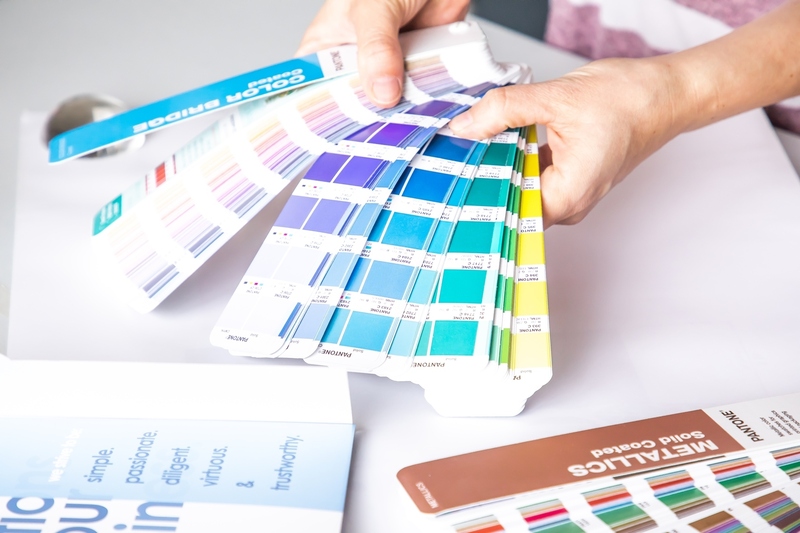
Flexible packaging offers a larger printable surface area, allowing for high-quality graphics, bold branding, and clear product messaging.
Scalability for Growing Brands
Flexible packaging supports easier adjustments in volume, lower upfront costs, and faster production timelines.
When Rigid Packaging Makes Sense
Rigid packaging may be the better option when:
- Products require maximum structural protection
- Packaging must maintain a fixed shape
- The product is fragile or heavy
Many businesses use a combination of both packaging types depending on the product line.
Use Cases
- Food and Snacks: Maintains freshness and extends shelf life.
- Coffee and Beverage: Barrier protection and resealability.
- Pet Food and Treats: Durable and easy to store.
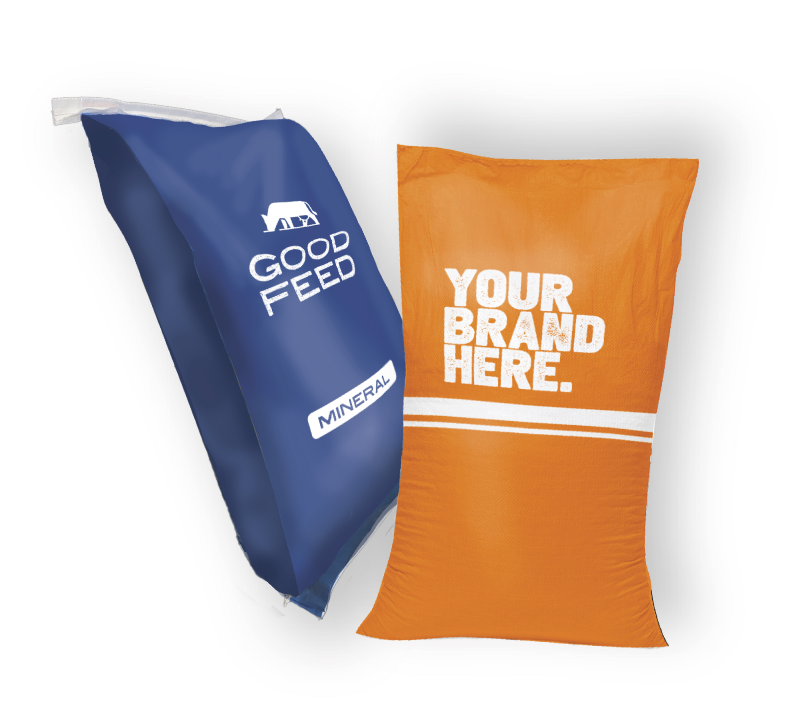
- Agriculture Products: Cost-efficient bulk packaging.
- Retail and E-commerce: Lightweight shipping advantages.
How to Choose the Right Packaging
The right packaging solution depends on:
- Product type and weight
- Storage conditions
- Shipping requirements
- Branding goals
- Budget and volume
With direct manufacturing capabilities and modern printing technology, Beyond Print helps brands align packaging decisions with real-world production and distribution needs.
Learn more about Beyond Print’s approach.
Frequently Asked Questions About Flexible and Rigid Packaging
What is the main advantage of flexible packaging?
Flexible packaging is lightweight, cost-effective, and highly customizable.
Is flexible packaging durable?
Yes. Modern materials provide strong barrier protection and perform well in real-world conditions.
When should I choose rigid packaging?
Rigid packaging is best for products that require structure or protection.
Is flexible packaging more sustainable?
In many cases, it uses less material and reduces shipping weight.
Find the Right Packaging for Your Product
Our team can help you evaluate your product, logistics, and growth goals to build the right solution.