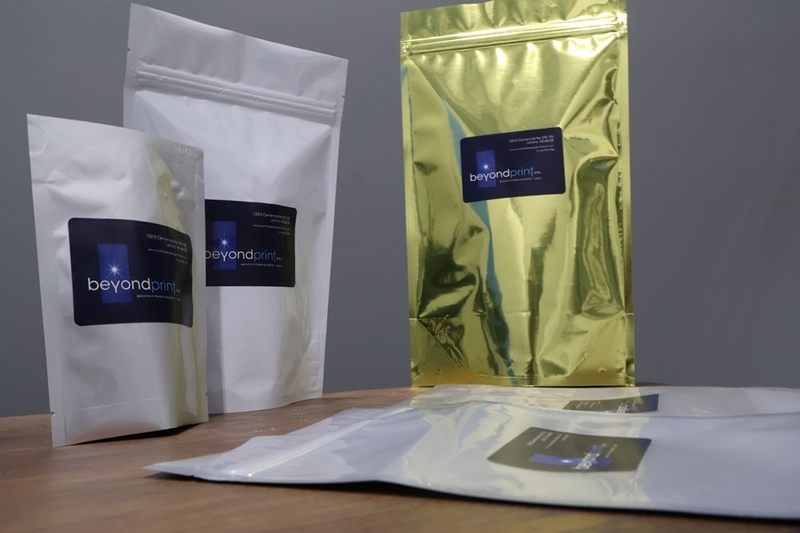
Choosing the right packaging for snack and food products is critical to both product success and customer experience. The wrong packaging can be a detriment to business, leading to reduced shelf life, higher costs, or poor shelf appeal.
Based in Omaha, Nebraska and serving food brands across the United States, Beyond Print helps businesses choose packaging solutions that protect products, support branding, and scale efficiently.
Article Takeaways
Effective food packaging requires balancing protection, cost, and visual appeal. Material choices directly influence product freshness and shelf life, so they must be carefully evaluated for each application.
Flexible packaging often stands out as a strong choice for snacks due to its versatility and performance. Ultimately, the best solution depends on your specific product and operating environment, while ensuring labels hold up under real-world conditions.
Start with Product Protection
The primary role of packaging is to protect the product. For snack and food items, this means guarding against:
- Moisture
- Oxygen
- Light exposure
- Contamination
Barrier materials are often used to maintain freshness and extend shelf life. Explore Beyond Print’s custom packaging solutions to further your knowledge of packaging, or review additional insight into the food and snack industry.
Choosing the Right Packaging Format
Different products require different formats. Common options include:
- Flexible packaging such as pouches and bags
- Rigid packaging such as containers or boxes
Flexible packaging is often preferred for snack and food products because it is lightweight, cost efficient, and offers strong barrier protection. Rigid packaging may be better for products that require structure or added barrier protection.
Material and Performance Considerations
The materials you choose affect how packaging performs in real conditions. Important factors include:
- Shelf life requirements
- Storage conditions such as refrigeration or freezing
- Shipping and handling conditions
- Product weight and shape
Selecting the right material ensures your food and snack product maintains quality from production to consumption.
Do Not Overlook Label Performance
Labels are critical for food products. They must:
- Remain legible and scannable
- Withstand moisture and temperature changes
- Adhere properly to different surfaces
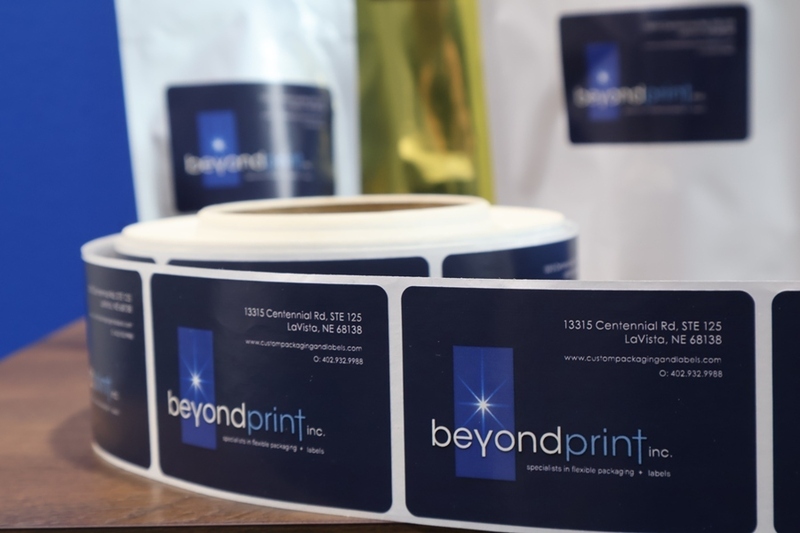
Choosing the right combination of label material and adhesive helps prevent issues like peeling or fading. Learn more about Beyond Print’s label solutions.
Branding and Shelf Appeal
Packaging plays a major role in how your product is perceived. Effective packaging should:
- Clearly communicate your product
- Stand out on the shelf or online
- Reinforce your brand identity
To avoid the pitfalls of making the wrong choices when it comes to product packaging, review our article on packaging mistakes that cost businesses time and money.
Use Cases
- Chips, Popcorn, and Snacks: Flexible packaging for freshness and portability.
- Coffee Products: Barrier packaging to preserve flavor and aroma.
- Frozen Foods: Materials and labels designed for cold environments.
- Pet Food and Treats: Durable packaging with strong sealing and storage benefits.
- Retail Food Products: Packaging that balances protection and presentation.
Related Example: Popcorn Packaging
Popcorn is a great example of how packaging impacts freshness and shelf life. It requires strong moisture and oxygen barriers to maintain quality over time. Read our guide on choosing the right popcorn packaging.
How to Choose the Right Solution
The best packaging depends on:
- Product type and shelf life
- Storage conditions
- Shipping requirements
- Branding goals
- Budget and volume
Working with an experienced partner like Beyond Print, who specializes in custom packaging, product labels, and design services, can help evaluate these factors and choose the right combination of product packaging, branding, and labeling needs.
Frequently Asked Questions About Snack and Food Packaging
What packaging is best for snack products?
Flexible packaging is often the best choice because it provides barrier protection while reducing shipping and storage costs.
How do I improve shelf life for food products?
Using barrier materials that protect against moisture and oxygen can help extend shelf life and maintain product quality.
Do food labels need special materials?
Yes. Food labels often require materials and adhesives that perform well in different environments such as moisture or cold storage.
Is flexible packaging more cost efficient?
In many cases, yes. It typically reduces material usage, shipping weight, and storage requirements.
Build the Right Packaging for Your Product
Choosing the right packaging does not have to be complicated. Beyond Print can help you select materials and formats that fit your product and your goals.